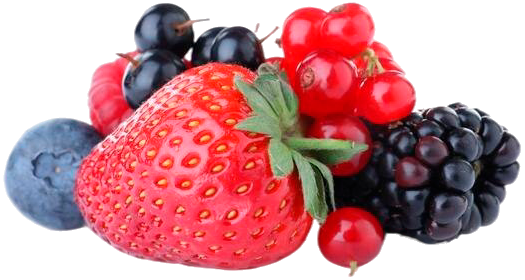

In 2026, nutrition in berry crops has become a topic of system control. Anyone producing strawberries, blueberries, raspberries, blackberries, and redcurrants works with costs that demand precision, with markets that reward quality, and with customers who return when they find consistency. The difference between a solid season and an unstable one often starts with a simple decision: having a method, with balance and with timing.
Nutrition with method means building a programme that respects plant physiology, the capacity of the root zone, and the reality of your soil, water, or substrate. A method driven programme starts with measurements, sets objectives by growth stage, is executed consistently, and is confirmed through analyses. This approach increases predictability, reduces variation, and allows for small, accurate, repeatable adjustments.
What separates method from routine
A routine based programme repeats applications out of habit and by schedule. A method based programme works by context, by data, and by the plant’s response. Context changes with variety, density, climate, system type, and commercial strategy. The plant’s response changes with water, root zone oxygen, solution salinity, and the way nutrients enter the system. In modern production, especially where fertigation is used, managing pH and root zone conditions directly influences nutrient availability and the efficiency of what you apply.
The objective remains simple and highly demanding: giving the plant what it needs at the right moment, in the right form, and at the right concentration, to produce firm, flavourful, consistent fruit. The technical edge is getting the balance and the timing right, rather than chasing isolated numbers.
A serious starting point: soil, water, and substrate
A professional nutrition plan always begins with characterisation. Soil or substrate reveals buffering capacity, baseline pH, nutrient behaviour, and the risk of lockouts. Water reveals alkalinity, salinity load, and the system’s tendencies across the cycle. In substrate systems, the key advantage is control, because it is possible to keep pH and conductivity more stable in the root zone when monitoring and consistency are in place.
When this initial diagnosis is done well, the rest becomes execution and fine tuning.
Phenology as the timing compass
Phenology sets priorities. Each stage requires a specific strategy and, when nutrition follows the stage, the plant responds with better balance and the fruit responds with higher quality. During establishment and rooting, the priority is stability and building roots. During vegetative growth, the priority is controlled vigour and functional leaf area. During flowering and fruit set, the priority is consistency to support the crop load. During fruit fill and ripening, the priority is stability, firmness, and organoleptic profile. Post harvest, the priority is recovery and resilience.
The key word is consistency. Method allows you to compare blocks, compare weeks, and understand what is changing based on clear indicators.
Fertigation and the root zone: nutrition happens where the roots live
Under fertigation, nutrition happens in the root zone and the root zone follows its own rules. pH within a functional range improves availability and uptake. Controlled conductivity supports stability and avoids stress. Air and water in the substrate determine oxygenation and uptake capacity. Where drainage is present, reading what goes in and what comes out provides a very useful picture of the system, because it turns nutrition into control rather than trial and error.
In substrate production, active management of substrate pH and consistent system monitoring help keep the root zone within operational ranges, preserving nutrient availability and plant performance throughout the cycle.
The confirmation that turns perception into decision: leaf analysis at the right timing
Leaf analysis is a valuable tool for turning nutrition into decision making. The decisive detail is sampling timing, because nutrient concentration in the leaf varies throughout the season. For that reason, the most robust technical practice points to routine sampling within stable windows of the cycle, keeping consistency year after year to ensure reliable comparison and useful interpretation.
When the goal is diagnosis, the most effective logic uses comparison within the same context, pairing samples from symptomatic plants with samples from healthy plants in the same area to add context and reduce noise in the reading.
How this translates in the field, crop by crop
In strawberries, method becomes stronger when it connects base and fine tuning. Field building starts with a well calculated base aligned with soil characterisation, and evolves into fine adjustments throughout the cycle supported by monitoring and tissue analysis when it makes sense. Efficient management balances vigour, yield, and quality with a focus on consistency.
In blueberries, method gains dimension through pH management and sampling discipline, because the crop responds very directly to root zone conditions. Leaf readings guide programme fine tuning and help maintain stable vigour and quality.
In raspberries and blackberries, method works as a monitoring routine that links leaf analysis, vegetative response, and consistency of the annual programme. Here, timing discipline and sampling repeatability generate comparable data and better decisions.
In redcurrants, method follows the same logic: system diagnosis, stage based objectives, consistent execution, and confirmation through data. The detail is adjusted to phenology, vigour, and the quality strategy intended for the market.
What makes a top tier nutrition programme in 2026
A top tier programme is executable and clear. It has a guiding thread, is based on measurements, adjusts by phenology, protects the root zone, and confirms through leaf analysis within windows that deliver comparable results. This type of programme increases predictability, improves consistency, and sustains quality, with technical decisions you can repeat with confidence.
If you want, I can adapt this article to Hortitool Consulting’s final tone and close it with a methodology paragraph aligned with the Hortitool Rules, including the integration of soil, plant, and water analyses and operational consulting focused on execution in the field.